King Satyavrata's Prayers to Lord Matsya
King Satyavrata's Prayers to Lord Matsya
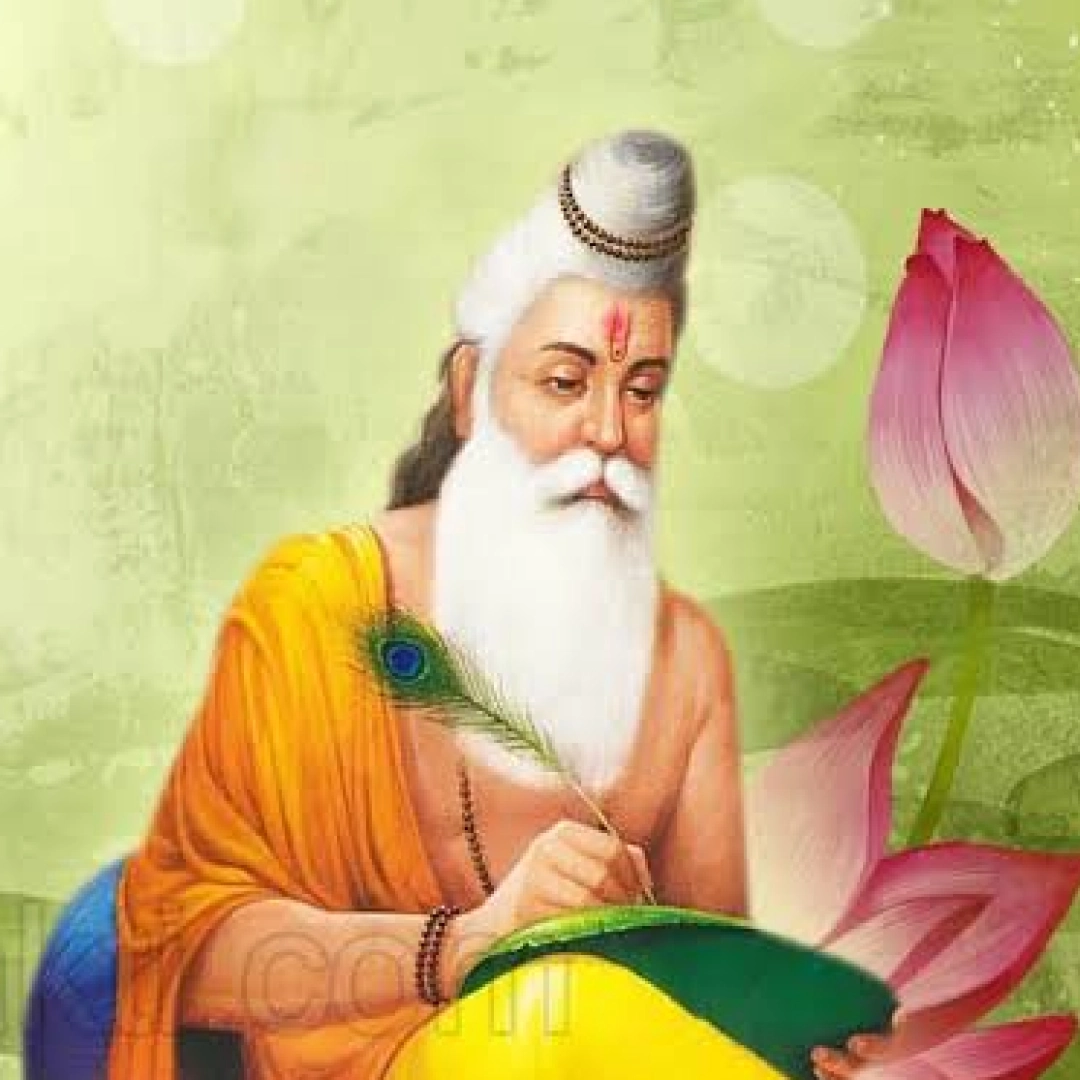
Krishna Dwipayana Vyasadeva
Hamsa-guhya Prayers (Prajapati Daksa)
Bhajan
Śrīmad-Bhāgavatam Prayers
11 verses · Lyrics only · English, Hindi
Hamsa-guhya Prayers (Prajapati Daksa)
Krishna Dwipayana Vyasadeva
śrī-prajāpatir uvāca namaḥ parāyāvitathānubhūtaye guṇa-trayābhāsa-nimitta-bandhave adṛṣṭa-dhāmne guṇa-tattva-buddhibhir nivṛtta-mānāya dadhe svayambhuve
Prajāpati Dakṣa said: The Supreme Personality of Godhead is transcendental to the illusory energy and the physical categories it produces. He possesses the potency for unfailing knowledge and supreme willpower, and He is the controller of the living entities and the illusory energy. The conditioned souls who have accepted this material manifestation as everything cannot see Him, for He is above the evidence of experimental knowledge. Self-evident and self-sufficient, He is not caused by any superior cause. Let me offer my respectful obeisances unto Him.
na yasya sakhyaṁ puruṣo 'vaiti sakhyuḥ sakhā vasan saṁvasataḥ pure 'smin guṇo yathā guṇino vyakta-dṛṣṭes tasmai maheśāya namaskaromi
As the sense objects [form, taste, touch, smell and sound] cannot understand how the senses perceive them, so the conditioned soul, although residing in his body along with the Supersoul, cannot understand how the supreme spiritual person, the master of the material creation, directs his senses. Let me offer my respectful obeisances unto that Supreme Person, who is the supreme controller.
deho 'savo 'kṣā manavo bhūta-mātrām ātmānam anyaṁ ca viduḥ paraṁ yat sarvaṁ pumān veda guṇāṁś ca taj-jño na veda sarva-jñam anantam īḍe
Because they are only matter, the body, the life airs, the external and internal senses, the five gross elements and the subtle sense objects [form, taste, smell, sound and touch] cannot know their own nature, the nature of the other senses or the nature of their controllers. But the living being, because of his spiritual nature, can know his body, the life airs, the senses, the elements and the sense objects, and he can also know the three qualities that form their roots. Nevertheless, although the living being is completely aware of them, he is unable to see the Supreme Being, who is omniscient and unlimited. I therefore offer my respectful obeisances unto Him.
yadoparāmo manaso nāma-rūpa- rūpasya dṛṣṭa-smṛti-sampramoṣāt ya īyate kevalayā sva-saṁsthayā haṁsāya tasmai śuci-sadmane namaḥ
When one’s consciousness is completely purified of the contamination of material existence, gross and subtle, without being agitated as in the working and dreaming states, and when the mind is not dissolved as in suṣupti, deep sleep, one comes to the platform of trance. Then one’s material vision and the memories of the mind, which manifests names and forms, are vanquished. Only in such a trance is the Supreme Personality of Godhead revealed. Thus let us offer our respectful obeisances unto the Supreme Personality of Godhead, who is seen in that uncontaminated, transcendental state.
manīṣiṇo 'ntar-hṛdi sanniveśitaṁ sva-śaktibhir navabhiś ca trivṛdbhiḥ vahniṁ yathā dāruṇi pāñcadaśyaṁ manīṣayā niṣkarṣanti gūḍhamsa vai mamāśeṣa-viśeṣa-māyā- niṣedha-nirvāṇa-sukhānubhūtiḥ sa sarva-nāmā sa ca viśva-rūpaḥ prasīdatām aniruktātma-śaktiḥ
yad yan niruktaṁ vacasā nirūpitaṁ dhiyākṣabhir vā manasota yasya mā bhūt svarūpaṁ guṇa-rūpaṁ hi tat tat sa vai guṇāpāya-visarga-lakṣaṇaḥ
Anything expressed by material vibrations, anything ascertained by material intelligence and anything experienced by the material senses or concocted within the material mind is but an effect of the modes of material nature and therefore has nothing to do with the real nature of the Supreme Personality of Godhead. The Supreme Lord is beyond the creation of this material world, for He is the source of the material qualities and creation. As the cause of all causes, He exists before the creation and after the creation. I wish to offer my respectful obeisances unto Him.
yasmin yato yena ca yasya yasmai yad yo yathā kurute kāryate ca parāvareṣāṁ paramaṁ prāk prasiddhaṁ tad brahma tad dhetur ananyad ekam
The Supreme Brahman, Kṛṣṇa, is the ultimate resting place and source of everything. Everything is done by Him, everything belongs to Him, and everything is offered to Him. He is the ultimate objective, and whether acting or causing others to act, He is the ultimate doer. There are many causes, high and low, but since He is the cause of all causes, He is well known as the Supreme Brahman who existed before all activities. He is one without a second and has no other cause. I therefore offer my respects unto Him.
yac-chaktayo vadatāṁ vādināṁ vai vivāda-saṁvāda-bhuvo bhavanti kurvanti caiṣāṁ muhur ātma-mohaṁ tasmai namo 'nanta-guṇāya bhūmne
Let me offer my respectful obeisances unto the all-pervading Supreme Personality of Godhead, who possesses unlimited transcendental qualities. Acting from within the cores of the hearts of all philosophers, who propagate various views, He causes them to forget their own souls while sometimes agreeing and sometimes disagreeing among themselves. Thus He creates within this material world a situation in which they are unable to come to a conclusion. I offer my obeisances unto Him.
astīti nāstīti ca vastu-niṣṭhayor eka-sthayor bhinna-viruddha-dharmaṇoḥ avekṣitaṁ kiñcana yoga-sāṅkhyayoḥ samaṁ paraṁ hy anukūlaṁ bṛhat tat
There are two parties — namely, the theists and the atheists. The theist, who accepts the Supersoul, finds the spiritual cause through mystic yoga. The Sāṅkhyite, however, who merely analyzes the material elements, comes to a conclusion of impersonalism and does not accept a supreme cause — whether Bhagavān, Paramātmā or even Brahman. Instead, he is preoccupied with the superfluous, external activities of material nature. Ultimately, however, both parties demonstrate the Absolute Truth because although they offer opposing statements, their object is the same ultimate cause. They are both approaching the same Supreme Brahman, to whom I offer my respectful obeisances.
yo 'nugrahārthaṁ bhajatāṁ pāda-mūlam anāma-rūpo bhagavān anantaḥ nāmāni rūpāṇi ca janma-karmabhir bheje sa mahyaṁ paramaḥ prasīdatu
The Supreme Personality of Godhead, who is inconceivably opulent, who is devoid of all material names, forms and pastimes, and who is all-pervading, is especially merciful to the devotees who worship His lotus feet. Thus He exhibits transcendental forms and names with His different pastimes. May that Supreme Personality of Godhead, whose form is eternal and full of knowledge and bliss, be merciful to me.
yaḥ prākṛtair jñāna-pathair janānāṁ yathāśayaṁ deha-gato vibhāti yathānilaḥ pārthivam āśrito guṇaṁ sa īśvaro me kurutāṁ manoratham
As the air carries various characteristics of the physical elements, like the aroma of a flower or colors resulting from a mixture of dust in the air, the Lord appears through lower systems of worship according to one’s desires, although He appears as the demigods and not in His original form. What is the use of these other forms? May the original Supreme Personality of Godhead please fulfill my desires.
Same composer, mood or theme
King Satyavrata's Prayers to Lord Matsya
Krishna Dwipayana Vyasadeva
Ugram Viram Mahavishnum
Krishna Dwipayana Vyasadeva
Namo Narasimhayadi Devaya
Krishna Dwipayana Vyasadeva
Namaste Narasimhaya
Krishna Dwipayana Vyasadeva
Jaya Narasimha Sri Narasimha
Krishna Dwipayana Vyasadeva
Sri Krsnah Kamala Natho
Krishna Dwipayana Vyasadeva
Indradi Deva Vrndesa
Krishna Dwipayana Vyasadeva
Gita Mahatmya
Krishna Dwipayana Vyasadeva
Dhruva Maharaja's Prayers
Krishna Dwipayana Vyasadeva
Devata Karya Siddhy-Artham
Krishna Dwipayana Vyasadeva
Devahuti's Prayers to Lord Kapila
Krishna Dwipayana Vyasadeva
Narottama Dasa Thakura