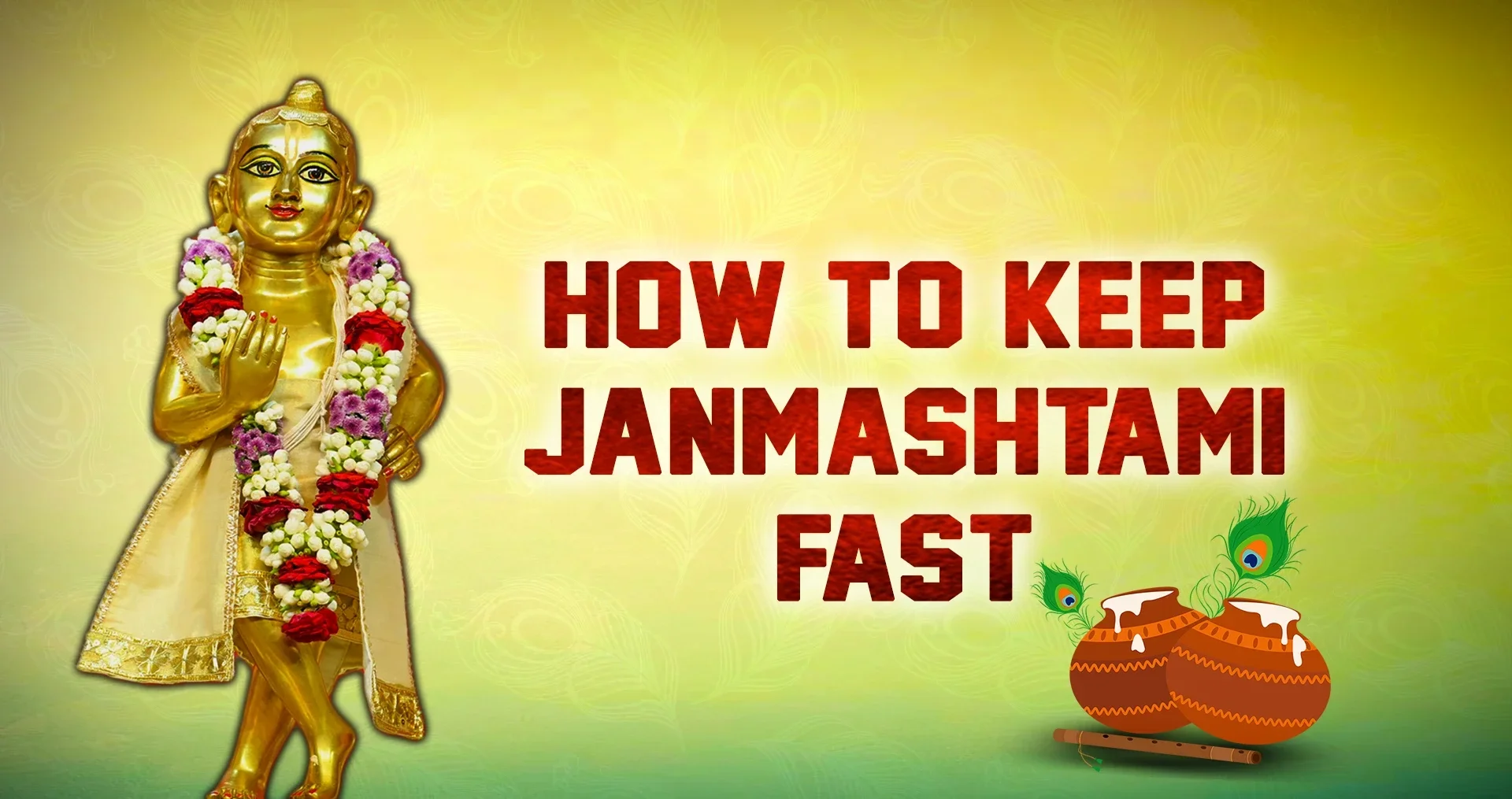
Janmashtami fasting is a devotional observance in which devotees simplify their food and daily activities to spend more time remembering and worshipping Lord Krishna. The fast may be observed in different ways according to one’s health and capacity; therefore, following the strictest form is not necessary for everyone.
The purpose of Janmashtami fasting is not simply to remain hungry, but to engage the day in chanting, Krishna-katha, prayer and seva. This guide explains the different types of Janmashtami fast, how to observe it, what to eat and avoid, the correct way to conclude the fast, and the precautions required for children, elderly people, pregnant women and those with medical conditions.
Different Types of Janmashtami Fasting
| Types of Fasting | Description |
|---|---|
| Nirjala Fast Janmashtami | The most strict form of fast, in which devotees abstain from eating and drinking water for the whole day. |
| Phalahar Fast Janmashtami | A more compatible option. Devotees can consume only fruits, milk, juices, and water. |
| One-Time Meal Fast Janmashtami | Devotees can eat only if their body doesn’t allow whole-day fasting. But the food they consume should not include any abstained-from items, such as grains or beans. |
What to Eat and Avoid During Janmashtami Fast?
| Category | Eat | Avoid |
|---|---|---|
| Fruits and Dry Fruits | Banana, apple, pomegranate, grapes, dry fruits, almonds, cashews, raisins | None - all fruits are permitted |
| Dairy Products | Milk, curd, paneer, ghee, milk-based sweets | None - all dairy products are allowed during vrat |
| Flours and Grains | Kuttu ka atta (buckwheat), singhare ka atta (water chestnut), rajgira (amaranth) | Wheat, rice, regular flour, and all common grains |
| Vrat-Friendly Dishes | Sabudana khichdi, sabudana kheer, singhare ke atte ki poori, makhana kheer | Regular curries and dishes made with grains or lentils |
| Vegetables | Potato, sweet potato, pumpkin, arbi (colocasia) | Onion, garlic, and regular vegetables cooked with masalas |
| Spices and Seasoning | Rock salt (sendha namak), cumin, black pepper | Regular table salt, turmeric-heavy spice mixes |
| Beverages | Coconut water, fruit juices, milk-based drinks | Alcohol, tea, coffee, and caffeinated drinks |
| Non-Vrat Items | N/A | Non-vegetarian food, processed and packaged junk food |
| Water | Allowed in Phalahar Vrat | Avoided completely until midnight in Nirjala Vrat |
How To Break Janmashtami Fast
After performing the midnight abhishek and aarti, the fast can be broken at the correct Parana timings. This year, the correct fast-breaking time for Janmashtami is after 6:08 AM on September 5. Also, remember to open your fast first by having charanamrit and prasadam offered to the Lord during midnight aarti.
Note: Fast-breaking time should be observed as per the Nishita Kaal Muhurat after performing the midnight abhishekam of the Lord. Also, break your fast by first having the Maha-prasadam offered to the Lord, then eat the rest of the items.
Benefits of Fasting On Janmashtami
Observing the fast on Janmashtami offers a variety of spiritual, mental, and physical benefits. Each of the merits is listed below:
Spiritual Benefits
1. Deepens Devotion
The Janmashtami fast allows you to abstain from daily meals, helping your mind focus purely on Krishna Bhakti.
2. Karmic Purification
According to traditional texts such as the Padma Purana and the Skanda Purana, sincere observance of the Janmashtami fast burns away past sins and removes all karmic debts from your life.
3. Willpower and Control
Resisting physical urges strengthens self-discipline, which fosters overall spiritual growth and leads you towards moksha, or liberation.
Physical and Mental Benefits
1. Digestive Rest
By refraining from eating heavy grains, your digestive system gets a rest, which allows your body to clear out the waste.
2. Metabolic Rest
Eating sattvic foods like fruits, dairy, and root vegetable flours supports metabolic health during the quiet monsoon season.
3. Mental Clarity
Shifting energy away from heavy digestion fosters calmness, mindfulness, and better concentration for engaging in devotional activities.
Conclusion
Janmashtami fasting holds deep importance for devotees, as it fosters both their physical purification and their devotion towards the Lord. The Lord always values sincere devotion over strict rule-following.
While fasting is a beautiful way to express Bhakti, those unable to observe it, such as pregnant women or the elderly, can still receive the Lord's grace through prayer, chanting, and remembrance.
Thus, this Janmashtami, let us all come together and spend the full day remembering the Supreme Lord, who loves us the most.
Adapted from the Gupt Vrindavan Dham blog: Janmashtami Fasting Rules: How to Keep Fast & Benefits.