Kartik, also called Damodar month, is one of the most loved months of the Vaishnava year. In 2026 it begins on Monday, 26 October and ends on Monday, 24 November, the day of Kartik Purnima, the full moon. Calendars can differ slightly from place to place, so please also check your local temple's calendar.
Why It Is Called Damodar Month
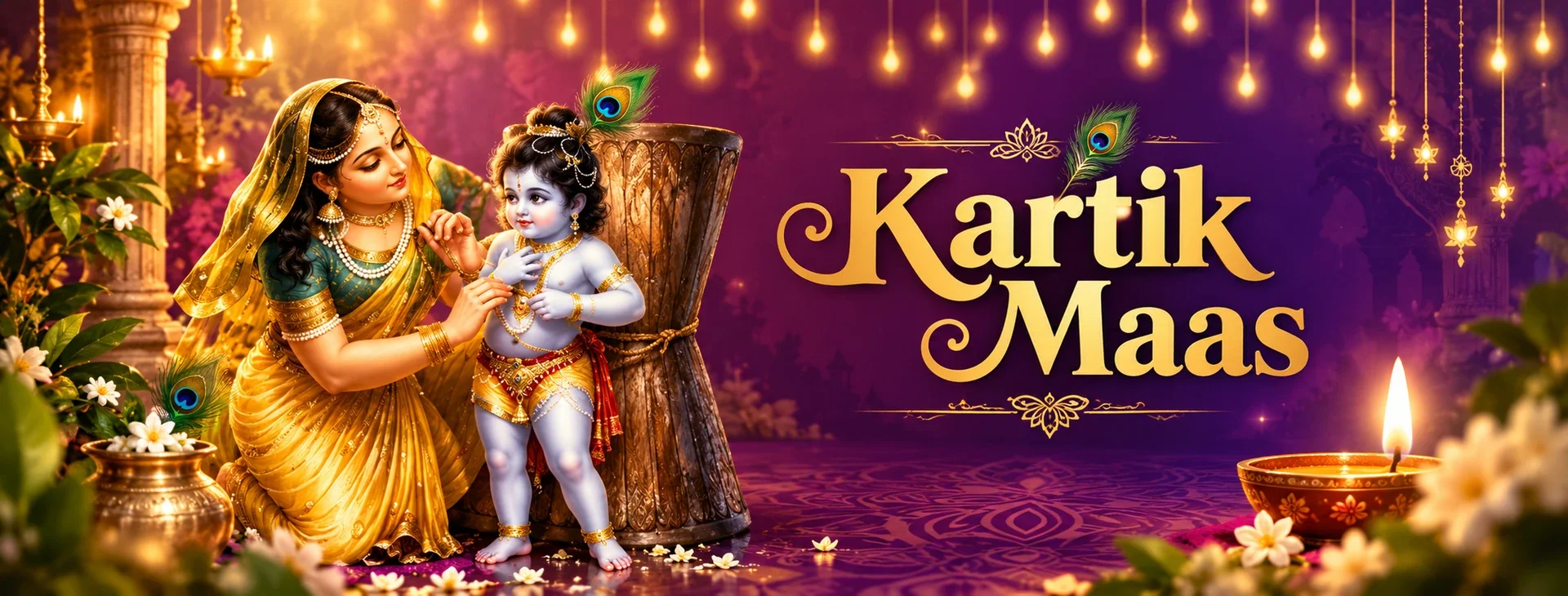
The month honours Lord Krishna in His childhood form as Damodara. After one of His playful acts of mischief, Mother Yashoda tried to bind Him to a heavy wooden grinding mortar with a rope. The Supreme Lord cannot be controlled by any material power, yet out of love for His mother He allowed Himself to be bound. This pastime is described in the Tenth Canto of the Srimad-Bhagavatam (SB 10.9).
The lesson is simple and lasting: the Lord willingly responds to pure love.
The Spiritual Meaning of Kartik
Kartik invites us to remember Krishna steadily, to live with a little more discipline, and to put sincere effort into devotional service. It is not meant only for ritual, and not for material reward. Yashoda's example shows that loving service matters more than outward show.
It is also a chance to build better habits. A modest vow kept every day is worth more than an ambitious one that is dropped in the first week.
How to Observe the Month
- Offer a lamp. The best-known practice of Kartik is offering a ghee lamp to Sri Yashoda Damodara every day, at home or at a temple. Please take care with the flame. If you cannot arrange a lamp, offer prayer, chanting or other service instead.
- Sing the Damodarashtakam. This eight-verse prayer is sung during the lamp offering. It describes Krishna running from His mother and then accepting the rope. Learning its meaning makes the singing deeper.
- Chant the maha-mantra. Beginners can fix a daily time for chanting the Hare Krishna maha-mantra. Those with an established practice can concentrate on hearing each word attentively.
- Hear and read. Read or listen to a little of the Bhagavad-gita, the Srimad-Bhagavatam or the teachings of Vaishnava teachers each day, alone or with your family.
- Honour Tulsi. Care for the Tulsi plant and offer clean Tulsi leaves respectfully, following your family's tradition.
- Serve and give. Help at the temple, distribute prasadam, support cow protection or share spiritual books, quietly and without seeking display.
- Keep simple restraints. Cut down on unnecessary entertainment, wake a little earlier, avoid idle talk. Food vows and fasting differ between traditions and health conditions. Children, older people, pregnant and nursing women and anyone with a medical condition should not take up practices that risk their health.
A Simple Daily Routine
- Begin the day with prayer and attentive chanting.
- Read or hear a short passage of scripture or Krishna katha.
- Carry out your daily duties honestly, avoiding harsh speech and distraction.
- In the evening, offer a ghee lamp and sing the Damodarashtakam.
- Think over one lesson from Krishna's pastimes and plan tomorrow's practice.
If you are new, start with just one small practice and add more as it becomes natural.
Festivals in Kartik 2026
- Diwali (9 November): celebrated with lamps and worship, and remembered by Vaishnavas as Lord Rama's return to Ayodhya.
- Govardhan Puja and Annakuta (10 November): remembers Krishna lifting Govardhan Hill to protect Vraja, and is marked with an abundant offering of food.
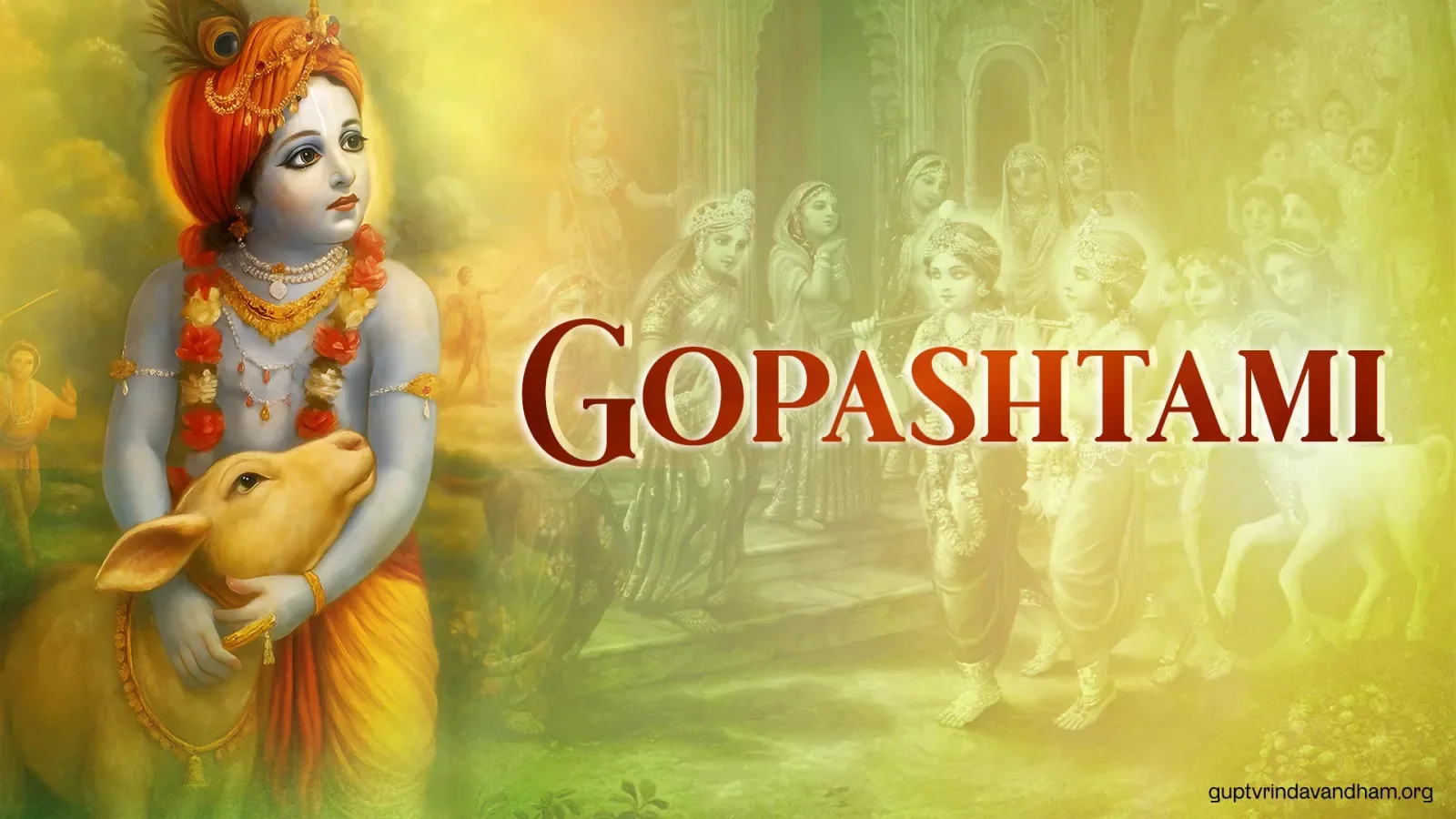
- Gopashtami (17 November): honours Krishna's cowherd pastimes and the care of cows.
- Ekadashi (5 and 20 November): days for extra chanting and focus. Please confirm fasting rules with your temple.
- Kartik Purnima (24 November): the last day of the month, kept with worship, lamps, kirtan and gratitude, and with a resolve about which good habits to carry forward.
What to Avoid
Devotees generally avoid intoxication, non-vegetarian food, gambling and anything that weakens self-control, and try to reduce anger, gossip and needless argument. A vow should never become a reason to criticise others. If you are unsure about a traditional restriction, ask a trusted teacher or your temple rather than relying on unverified claims online.
If You Are Just Starting
Begin small. Attend at least one temple programme during the month. If you miss a day, simply begin again the next day instead of giving up.
The Deeper Purpose
The value of Kartik does not lie in the number of lamps or in how hard a vow is. It lies in turning the heart toward Krishna through remembrance, service and sincere prayer. The discipline you build during the month can continue long after Kartik Purnima.
Offer Your Kartik Seva
If you would like to take part in the Kartik Deepotsav at Hare Krishna Vaikuntham, Visakhapatnam, you can offer a seva online: Kartik Deepotsav seva. For more reading, see Your Kartik 2026 checklist and Bound by Love: the Damodar pastime and the Damodarashtakam.