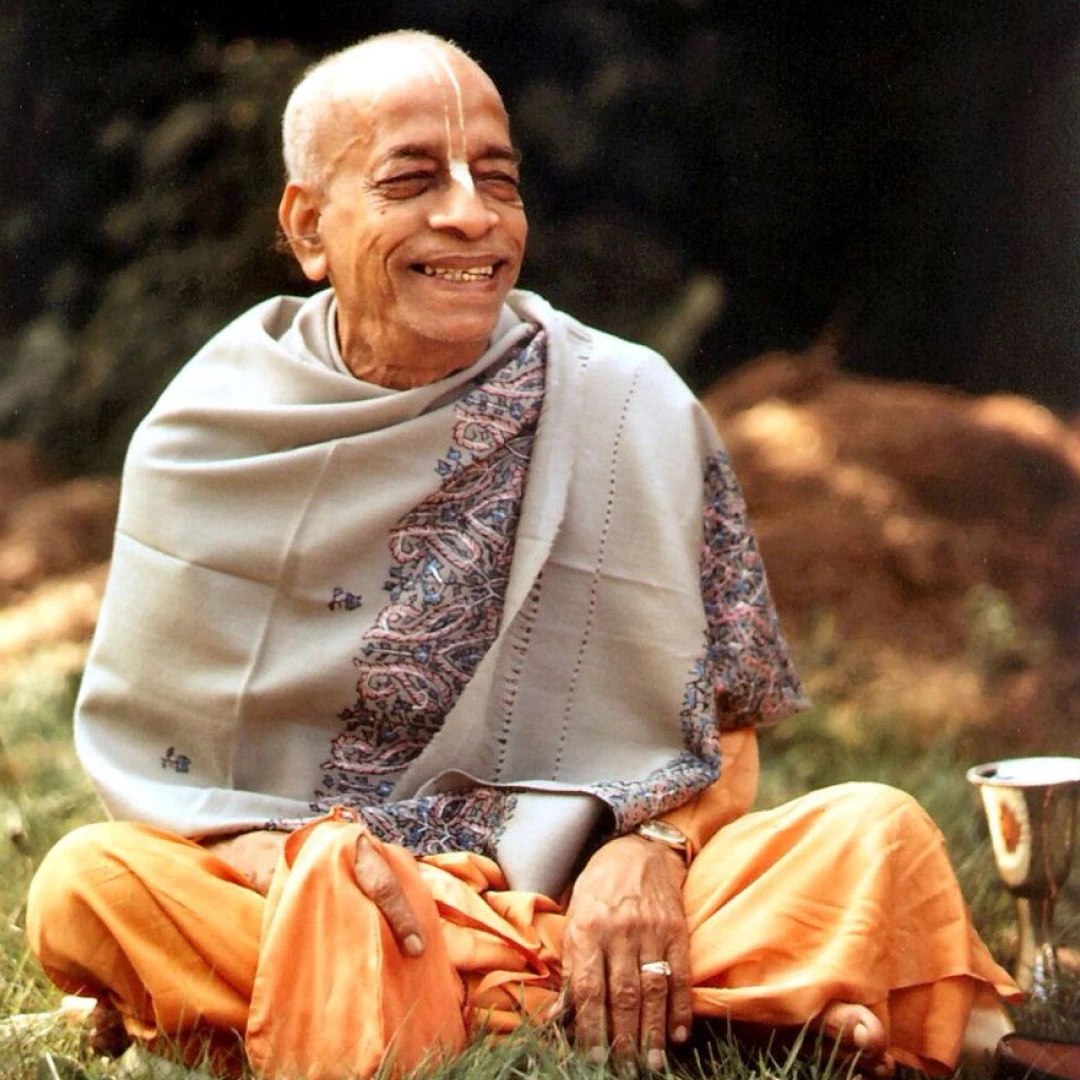
Ye Suddha Bhakta Ye Krsna Tomate Satata
Ye Suddha Bhakta Ye Krsna Tomate Satata
A.C. Bhaktivedanta Swami
Dharmaksetre Kuruksetre Haiya Ekatra
Bhajan
Gitar Gan
38 verses · Lyrics only · English, Hindi
Dharmaksetre Kuruksetre Haiya Ekatra
A.C. Bhaktivedanta Swami
dharma-kṣetre kuru-kṣetre haiyā ekatra yuddhakāmī mamaputra pāṇḍava sarvatra ki karila tarapar kahata sañjay dhṛtarāṣṭra jijñāsaye sandhigdha hṛday
Dhrtarastra said: O Sanjaya, after assembling in the place of pilgrimage at Kuruksetra, what did my sons and the sons of Pandu do, being desirous to fight?
sañjay kahilen: rājā śuna mana diyā pāṇḍaver sainya-sajjā sājāna dekhiyā rājā duryodhan śīghra droṇācārya pāśe yaīyā vṛttanta sab kahila sakāśe
Sanjaya said: O King, after looking over the army gathered by the sons of Pandu, King Duryodhana went to his teacher and began to speak the following words:
ācārya cāhiyā dekha mahatī senānī pāṇḍu-putra raciyāche vyuha nānā-sthānī tava śiṣya buddhimān drupadera putra sājāila ei sab kari ekasutra
O my teacher, behold the great army of the sons of Pandu, so expertly arranged by your intelligent disciple, the son of Drupada.
ei sthāne vartamān bahu yoddhāgaṇ bhīmārjun-sama tā'ra dhanurdhārī han yuyudhān virāṭ drupad mahārathī sab dhṛṣṭaketu cekitān kāśīra puṅgav purujit kuntibhoj saivya-rājā-gaṇ yudhāmanyu vikrānta nahe sādhāraṇ vīryavān ye ei saubhadra draupadeya sakalei mahārathī keha nahe heya
Here in this army there are many heroic bowmen equal in fighting to Bhima and Arjuna; there are also great fighters like Yuyudhana, Virata and Drupada.There are also great, heroic, powerful fighters like Dhrstaketu, Cekitana, Kasiraja, Purujit, Kuntibhoja and Saibya.There are the mighty Yudhamanyu, the very powerful Uttamauja, the son of Subhadra and the sons of Draupadi. All these warriors are great chariot fighters.
āmāder madhye yārā viśiṣṭa mahān dvijottama śuna tāhā kariyā manan senāpati ye ye sab mama sainya-pāśe saṁjñārthe tomāre kahi aśeṣa viśeṣe
O best of the brahmanas, for your information, let me tell you about the captains who are especially qualified to lead my military force.
āpani ār pitāmaha bhīṣmādi-gaṇ kṛpācārya raṇajayī hay ekatre varṇan aśvatthāmā vikarṇādi saumadatti ār yathā-yathā tathā tathā sainya se apār
There are personalities like yourself, Bhisma, Karna, Krpa, Asvatthama, Vikarna and the son of Somadatta called Bhurisrava, who are always victorious in battle.
ār ye anek vīr āmāra lāgiyā āsiyāche hethā sab jīvana tyajiyā nānā-astrapāṇi sab yuddhe viśārad erā sab hay mor yuddhera saṁsad
There are many other heroes who are prepared to lay down their lives for my sake. All of them are well equipped with different kinds of weapons, and all are experienced in military science.
aparyāpta mama sainya bhīṣma senāpati paryāpta oder sainya bhīm yār gati
Our strength is immeasurable, and we are perfectly protected by Grandfather Bhisma, whereas the strength of the Pandavas, carefully protected by Bhima, is limited.
yathā-sthāne sthita thāki āpani sakale rakṣa bhīṣma pitāmahe hena yuddha-sthale
Now all of you must give full support to Grandfather Bhisma, standing at your respective strategic points in the phalanx of the army.
tabe sei pitāmaha vṛddha kurupati harṣa utpādane yabe kaila sthira-mati siṁha-nāde bājāila saṅkha sei vīr ucca-rav sei sab atīva gambhīr
Then Bhisma, the great valiant grandsire of the Kuru dynasty, the grandfather of the fighters, blew his conchshell very loudly like the sound of a lion, giving Duryodhana joy.
śuni sei satru-rav yata saṅkha bheri gomukha panavānaka bājila satvari sahasā uṭhila sei raṇera jhaṅkār tumula haila sabda bahula apār
After that, the conchshells, bugles, trumpets, drums and horns were all suddenly sounded, and the combined sound was tumultuous.
tārpar sveta aśva rathete vasiyā asila ye mahā-yuddhe niyukta haiyā mādhava āra paṇḍava divya saṅkha dhari bājāila pare pare apurva mādhurī
On the other side, both Lord Krsna and Arjuna, stationed on a great chariot drawn by white horses, sounded their transcendental conchshells.
hṛṣīkeśa bhagavān pañcajanya-rabe dhanañjaya bājāila devadatta sabe bhīmakarmā bhīmasen bājāila pare pauṇḍra-nām saṅkha sei ati uccaiḥ-svare
Then, Lord Krsna blew His conchshell, called Pancajanya; Arjuna blew his, the Devadatta; and Bhima, the voracious eater and performer of Herculean tasks, blew his terrific conchshell called Paundram.
yudhiṣṭhir dhare saṅkha rājā kuntiputra ananta-vijay sei ghoṣaṇā sarvatra nakula bājāla saṅkha sughoṣa tāra nām sahadev bājāla maṇi-puṣpaka nām tārapar eke eke yata mahā-rathī dhanurdhar kāśīrāj śikhaṇḍī sārathī dhṛṣṭadyumna virāṭādi vīr se sātyaki maha-yoddha pāre yārā yujhite ekākī drupad āra draupadeya pṛthivīpate saubhadra bājāla saṅkha yār yār mate
King Yudhisthira, the son of Kunti, blew his conchshell, the Ananta-vijaya, and Nakula and Sahadeva blew the Sughosa and Manipuspaka. That great archer the King of Kasi, the great fighter Sikhandi, Dhrstadyumna, Virata and the unconquerable Satyaki, Drupada, the sons of Draupadi, and the others, O King, such as the son of Subhadra, greatly armed, all blew their respective conchshells.
se sabda bhāṅgila buk dhārta-rāṣṭragaṇe ākāśa bhedila pṛthvī kāṁpila saghane
The blowing of these different conchshells became uproarious, and thus, vibrating both in the sky and on the earth, it shattered the hearts of the sons of Dhrtarastra.
kapi-dhvaj dekhi dhārta-rāṣṭrera gaṇere yuddhera sajjāy sethā milila acire nija astra dhanurvāṇ yathasthāne dhari yuddhera lāgiyā sethā smarila śrīhari
O King, at that time Arjuna, the son of Pandu, who was seated in his chariot, his flag marked with Hanuman, took up his bow and prepared to shoot his arrows, looking at the sons of Dhrtarastra. O King, Arjuna then spoke to Hrsikesa [Krsna] these words:
mahīpate! pāṇḍuputra kahe hṛṣīkeśe ubhaya senār mājhe rathera praveśe yāvata dekhiba ei yuddha-kāmigaṇe tāvata rākhibe ratha acyuta ekhāne dekhibāre cāhi kebā āsiyāche hethā kāhāra sahita habe yujhibāre sethā
Arjuna said: O infallible one, please draw my chariot between the two armies so that I may see who is present here, who is desirous of fighting, and with whom I must contend in this great battle attempt.
yuddhakāmīgaṇe āj nirakhiba āmi durbuddhi dhārta-rāṣṭrer janya yuddhakāmī
Let me see those who have come here to fight, wishing to please the evil-minded son of Dhrtarastra.
se kathā śuniyā hṛṣīkeś bhagavān ubhaya senār dike haila āguyān ubhaya senār madhye rākhi rathottam kahite lāgila kṛṣṇa haiya sambhram
Sanjaya said: O descendant of Bharata, being thus addressed by Arjuna, Lord Krsna drew up the fine chariot in the midst of the armies of both parties.
dekha pārtha samaveta dhārta-rāṣṭragaṇ bhīṣma droṇ pramukhata yata yoddhagaṇ
In the presence of Bhisma, Drona and all other chieftains of the world, Hrsikesa, the Lord, said, Just behold, Partha, all the Kurus who are assembled here.
tārapar dekhe pārtha yoddhṛ-pitṛgaṇ ācārya mātul ādi pitṛsama han dekhe putra pautrādik yata sakhājan ār saba bahu lok ātmīya-svajan śvaśurādi kuṭumbīya nāhi pārāpār ubhaya-pakṣiya sainya se hala apār
There Arjuna could see, within the midst of the armies of both parties, his fathers, grandfathers, teachers, maternal uncles, brothers, sons, grandsons, friends, and also his father-in-law and well-wishers--all present there.
tādera dekhila pārtha sabai bāndhava kāṁpila hṛdaya tāra viṣaṇṇa vaibhava kṛpāte kāṅdila man ati dayāvān viṣaṇṇa haiyā bale suna bhagavān
When the son of Kunti, Arjuna, saw all these different grades of friends and relatives, he became overwhelmed with compassion and spoke thus:
arjun kahaye kṛṣṇa erā ye svajan raṇāṅgaṇe āsiyāche karibāre raṇ dekhiyā āmār gātre hayeche romāñca mukha-madhye ras nāi e ye mahāvañca
Arjuna said: My dear Krsna, seeing my friends and relatives present before me in such a fighting spirit, I feel the limbs of my body quivering and my mouth drying up.
kāṁpiche śarīr mor sahite nā pāri gāṇḍiv khasiyā yāy ki kariyā dhari jvaliyā uṭhiche tvak mahā-tāpa vāṇ haio nā haio nā bandhu ār āguyān
My whole body is trembling, and my hair is standing on end. My bow Gandiva is slipping from my hand, and my skin is burning.
asthira hayechi āmi sthir nahe man sab bhūl haye yāya ki kari ekhan viparīta artha dekhi śunaha keśav e yuddhe kāj nāhi hala paṇḍa sab
I am now unable to stand here any longer. I am forgetting myself, and my mind is reeling. I foresee only evil, O killer of the Kesi demon.
kona hita nāhi hethā svajana-saṃhāre yuddhe mor kāj nāi phirāo āmāre he kṛṣṇa! vijaya mor nāhi se akāṅkṣā rājya ār sukh śānti sabai āśaṅkā
I do not see how any good can come from killing my own kinsmen in this battle, nor can I, my dear Krsna, desire any subsequent victory, kingdom, or happiness.
yādera lāgiyā cāhi sukha-bhoga śānti tarāi eseche hethā dite se aśānti dhana prāṇa saba tyaji maribār tare sabāi eseche hethā ke jīye ke mare eseche ācārya pūjya pitāra samān saṅge āche pitāmaha ār putragaṇ mātula śvaśura pautra kata ye kahiba śālā ār sambandhi sabāi mariba āmi mari kṣati nāi erā yadi mare edera marite śakti nāhi dekhibāre tribhuvana rājya yadi pāiba jiniyā tathāpi nā lai tāhā edera mariyā dhārta-rāṣṭragaṇe māri kibā prīti habe janārdana tumi kṛṣṇa āpani kahibe
O Govinda, of what avail to us are kingdoms, happiness or even life itself when all those for whom we may desire them are now arrayed in this battlefield? O Madhusudana, when teachers, fathers, sons, grandfathers, maternal uncles, fathers-in-law, grandsons, brothers-in-law and all relatives are ready to give up their lives and properties and are standing before me, then why should I wish to kill them, though I may survive? O maintainer of all creatures, I am not prepared to fight with them even in exchange for the three worlds, let alone this earth.
edera mārile mātra pāpa lābha habe emana vipakṣa śatru ke dekheche kabe ei dhārtarāṣṭra-gaṇ sa-bāndhava hay ucita nā hay kārya tāhādera kṣay svajana māriyā bala kebā kabe sukhī sukha-leśa nāhi mātra haba śudhu duḥkhī
Sin will overcome us if we slay such aggressors. Therefore it is not proper for us to kill the sons of Dhrtarastra and our friends. What should we gain, O Krsna, husband of the goddess of fortune, and how could we be happy by killing our own kinsmen?
yadyapi erā nāhi dekhe lobhījana kula-kṣaya mitra-droha saba alakṣana esab pāpera rāśi ke bahite pāre bujhibe tumi ta sab bujhābe āmāre ucit ki nahe ei pāpe nivṛtti bujhā ki ucit nahe sei kṛpravṛtti kulakṣaye yei doṣa jāna janārdan ataev ei yuddha kara nivāraṇ
O Janardana, although these men, overtaken by greed, see no fault in killing one's family or quarreling with friends, why should we, with knowledge of the sin, engage in these acts?
kula-kṣaye kaluṣita sanātana dharma dharma-naṣṭe prādurbhāve haibe adharma
With the destruction of dynasty, the eternal family tradition is vanquished, and thus the rest of the family becomes involved in irreligious practice.
adharmer prādurbhāve kula-nārīgaṇ patitā haibe sab kara aṇveṣaṇ
When irreligion is prominent in the family, O Krsna, the women of the family become corrupt, and from the degradation of womanhood, O descendant of Vrsni, comes unwanted progeny.
duṣṭā strī haile janme varṇa-saṅkar dal varṇa-saṅkar hale habe naraker phal yei se kāraṇa hay varṇa-saṅkarera kulakṣay kulaghnāni yei aparer
When there is increase of unwanted population, a hellish situation is created both for the family and for those who destroy the family tradition. In such corrupt families, there is no offering of oblations of food and water to the ancestors.
narake patana hay lupta piṇḍa janya taribār nāhi kona upāy ye anya kula dharmer naṣṭa-kārī varṇa-saṅkar phale śāśvata jāti dharma utsādita hale
Due to the evil deeds of the destroyers of family tradition, all kinds of community projects and family welfare activities are devastated.
narake niyata vāsa se manuṣyer hay tumi jāna janārdan se saba viṣay āmi suniyāchi tāi sādhu-santa mukhe naraker pathe cali ke rahibe sukhe
O Krsna, maintainer of the people, I have heard by disciplic succession that those who destroy family traditions dwell always in hell.
haya haya mahāpāp karite udyata hayechi āmarā śudhu haye kaluṣita rājyera lobhete paḍxe e duṣkārya kari svajana hanana ei ucita ki hari?
Alas, how strange it is that we are preparing to commit greatly sinful acts, driven by the desire to enjoy royal happiness.
yadi dhārta-rāṣṭra-gaṇ āmāke māriyā ei raṇe rājya lay aśastra bujhiyā seo bhāla mane kari yuddha se apekṣā vinā-yuddhe sei āmi kariba pratīkṣā
I would consider it better for the sons of Dhrtarastra to kill me unarmed and unresisting, rather than to fight with them.
ekathā baliyā pārtha niścala basila rathopastha yuddha madhye astra se tyajila śokete udvignamanā arjun sadaya viṣād-yoga nām ei gitāra visay
Sanjaya said: Arjuna, having thus spoken on the battlefield, cast aside his bow and arrows and sat down on the chariot, his mind overwhelmed with grief.
bhaktivedānta kahe śrī-gitāra gān sune yadi suddha bhakta kṛṣṇagata-prāṇ
Thus Bhaktivedanta sings the song of Sri Gita, with the hope that hearing this, Krsna conscious pure devotees will be pleased.
Same composer, mood or theme
Ye Suddha Bhakta Ye Krsna Tomate Satata
A.C. Bhaktivedanta Swami
Sri Guru Vandana Kori
A.C. Bhaktivedanta Swami
Abara Bali Ye Suna Parama Vacana
A.C. Bhaktivedanta Swami
Sannyaser Tattva Kiva Iccha
A.C. Bhaktivedanta Swami
Purve Ami Balechilam Suryake Pratham
A.C. Bhaktivedanta Swami
Maha Vadanya Isvara Sri Gaura Sundara
A.C. Bhaktivedanta Swami
He Krsna Barek Karma Tyaga
A.C. Bhaktivedanta Swami
The Disciple's Empowerment is Lost
A.C. Bhaktivedanta Swami
The Degraded Symptoms of Kali-yuga
A.C. Bhaktivedanta Swami
Gauranga Bolite Habe Pulaka Sarira
A.C. Bhaktivedanta Swami
Evara He Arjuna Suna
A.C. Bhaktivedanta Swami
Returning your wealth to Krishna
A.C. Bhaktivedanta Swami